
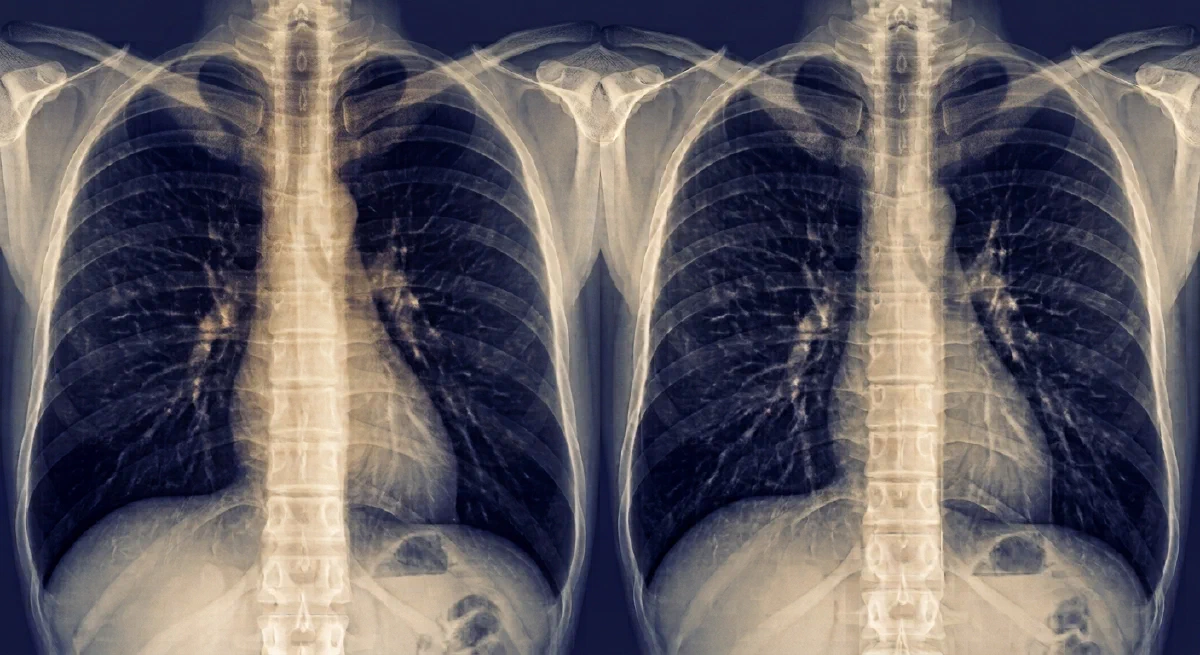

The feeling of being unable to catch your breath is one of the most intense stressors for both body and mind. Taking a deep breath of fresh air seems like second nature—an automatic reflex we rarely think about in our daily lives. But that changes instantly when breathing suddenly becomes a struggle. Asthma bronchiale is a chronic inflammation of the airways in which the bronchi narrow, the mucous membranes swell, and exhaling in particular turns into an exhausting battle. Anyone who has experienced their chest tightening and every breath becoming a fight knows just how inextricably physical shortness of breath and emotional panic are linked. This fear often amplifies physical tension, creating a vicious cycle that makes breathing even harder.
In modern conventional medicine, inhalers and anti-inflammatory medications form the indispensable foundation for those affected. They provide rapid emergency relief, open constricted airways, and effectively keep daily symptoms in check. However, more and more people are looking for complementary ways to actively support their body, calm their nervous system, and build resilience against everyday triggers like stress, cold air, or physical exertion. This is where a holistic approach is gaining increasing importance: yoga.
While yoga is not a miracle fix that will magically make a chronic condition like asthma disappear overnight, its unique combination of conscious breathwork (Pranayama), gentle movement, and mental focus acts as a proven anchor. Through targeted exercises, the nervous system learns to switch from fight-or-flight mode into a state of deep relaxation. As a result, yoga works preventatively by easing tightness in the chest and reducing the frequency of flare-ups, while also offering relief by helping you manage symptoms with greater calm, awareness, and control when it matters most.
Yoga for Asthma
Asthma is far more than just an isolated physiological symptom of narrowed airways. As soon as the characteristic wheezing begins and air becomes scarce, the nervous system immediately triggers an alarm. The sympathetic nervous system—the part of the autonomic nervous system responsible for fight or flight—swiftly takes control. Stress hormones like adrenaline and cortisol flood the system, the heart rate spikes, and the body enters a state of absolute tension.
This is precisely where a dangerous downward spiral begins. Emotional panic leads to shallow, frantic chest breathing, where muscles in the neck, shoulders, and chest struggle to force more air into the lungs. The core issue: during an asthma attack, the main hurdle is rarely inhalation, but rather the complete exhalation of trapped air. Due to frantic breathing, stale air remains trapped in the alveoli, shrinking the space for fresh oxygen and compounding the shortness of breath.
This is where the holistic impact of Yoga comes into play—not as a substitute for rescue inhalers or conventional medical therapy, but as a precise neurobiological and mechanical tool.
The biological and mechanical mechanisms:
-
Activation of the Parasympathetic System: Techniques that intentionally prolong exhalation trigger a direct activation of the vagus nerve. This is the main nerve of the parasympathetic nervous system—the body’s internal braking system. Once stimulated, blood pressure and heart rate drop, the respiratory muscles relax, and the brain receives the biological signal: the danger has passed. The panic spiral collapses before it can fully take hold.
-
Relief of Chronic Postural Patterns: Respiratory conditions often lead to an unconscious protective posture over the years: the upper body caves inward, the shoulders pull upward, and the chest compresses. Yoga stretches and mobilizes tight intercostal muscles as well as the sternum. The diaphragm—the primary breathing muscle—regains the physical space required for efficient function.
-
Strengthening Self-Awareness (Interoception): Asthma is frequently accompanied by a sense of lost control. The continuous pairing of movement and breath makes it possible to perceive subtle bodily signals earlier and without fear. Initial signs of chest tension become recognizable before an attack occurs, enabling proactive management.
Yoga transforms the overall attitude toward the condition. Instead of remaining passively subject to the helplessness of an attack, control over respiratory mechanics and the neural stress response is reclaimed step by step. Breath shifts from a constant source of uncertainty back into a reliable reservoir of strength.
Just sit and breathe. When you breathe, be the breathing.
Reclaiming Control
An asthma attack always brings a sense of powerlessness. When the airways constrict, one’s own body can feel like a trap. Yet this exact feeling of helplessness can be broken through targeted training. Reclaiming control over breath does not mean magically curing asthma, but rather taking charge of the response to its symptoms.
The path back operates on three core levels:
-
Taking the Wheel of the Nervous System: Struggling for air triggers automatic panic. This is a natural protective reaction, but it severely worsens shortness of breath. Consciously controlling exhalation—through techniques like pursed-lip breathing—can stop this automatic alarm. Prolonged, guided exhalation signals safety to the brain. Tension in the chest eases, the heart rate slows down, and control shifts from panic back to reason.
-
Actively Directing Respiratory Mechanics: Asthma primarily obstructs exhalation. Trying frantically to suck in fresh air while the lungs are still full of trapped air inevitably fails. Targeted engagement of the diaphragm helps actively and completely empty the lungs. Instead of relying on the accessory breathing muscles in the neck and shoulders, the primary respiratory muscle takes over once again. A helpless struggle turns into a precise physical action. Look for Yoga Breathing Techniques for advanced and Beginners.
-
Taking Action: The decisive shift takes place within the body. Perception changes: initial wheezing in the chest no longer triggers automatic paralysis, but immediately activates a practiced response. Instead of waiting to see what the body does next, clear strategies take over.
Reclaiming sovereignty over breath means stripping asthma of its terror. Breath turns from an unpredictable risk factor back into what it should be: a reliable toolkit accessible at any time through yoga.