
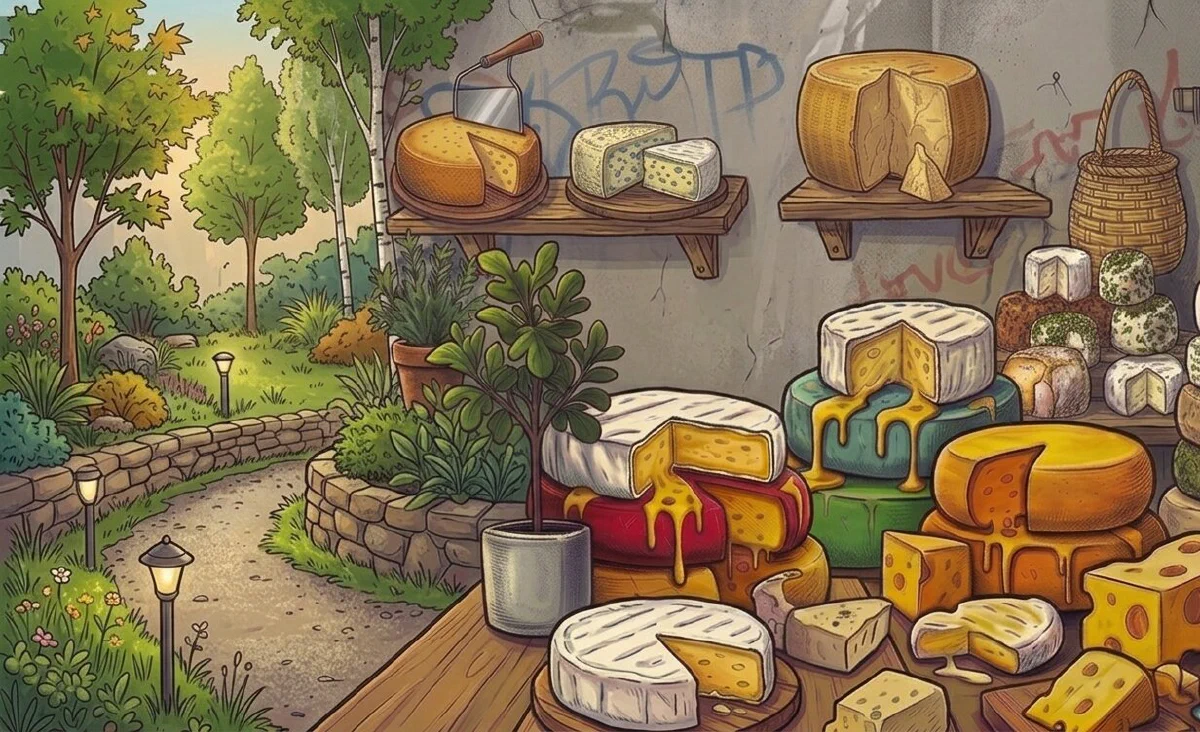

Cheese is far more than just food—it is pure emotion, tradition, and a genuine passion for many. The aroma of melted cheddar on a juicy burger, the velvety-creamy mouthfeel of a well-ripened Camembert on a fresh baguette, or the savory depth of freshly grated Parmigiano Reggiano over your favorite pasta: for millions of people, there is simply nothing better when it comes to food. Cheese brings comfort, releases happy hormones, and forms the heart of countless cultures from the Swiss Alps to Tuscany.
Yet as tempting as that golden melt may be—just like with most fine things in life, there is a dark side as soon as indulgence turns into a mindless daily routine. It is the dilemma of modern nutrition. In today’s supermarket world, cheese is constantly available. It’s no longer found just on morning toast or evening snack platters, but hides as a flavor enhancer in ready-made meals, frozen pizzas, casseroles, and sauces. What used to be a valuable, often handcrafted luxury item has turned into a daily mass product. This is precisely why nutritionists, cardiologists, and preventive medicine specialists are increasingly sounding the alarm.
The recommendation echoing ever louder through the halls of nutritional counseling sounds almost drastic to cheese lovers at first: ideally, cheese should be limited to a maximum of two days per week. But why two days of all things? What exactly happens deep within our metabolism, bloodstream, and organs when we reach for Gouda, Brie, and the like on a daily basis? Where does the fine line run between pure indulgence and heart health—and how do we balance maximum flavor with a long, healthy life? Time to spill the cheese—let’s dive deep into the biochemistry, risks, and true benefits of this golden delight!
Why Cheese Is Good for the Body
In the right amounts, cheese is a real nutrient power pack. Its positive effects are not limited to the body, but extend to the mind as well:
-
Bones & Teeth: Cheese is among the best plant or animal sources of calcium and phosphorus. A high calcium level is essential for bone density and protects against osteoporosis in old age.
-
Long-Term Energy & Muscle Building: The milk protein contained in cheese (especially casein) has a high biological value. It is digested slowly by the body, ensuring a steady supply of amino acids.
-
Nervous System Support (Vitamin B12): Cheese delivers concentrated vitamin B12. This vitamin is indispensable for the nervous system, red blood cell formation, and mental focus and concentration.
-
Gut-Brain Axis (Probiotics): Aged cheese (such as aged Gouda, Parmigiano, or Roquefort) contains live lactic acid bacteria. A healthy gut produces neurotransmitters like serotonin – which directly lifts your mood.
In Case of High Daily Consumption
Anyone who eats cheese in large quantities every day like a staple food exposes their body to several stress factors:
-
Increased Saturated Fatty Acids: The high proportion of saturated fats can raise LDL cholesterol levels in sensitive individuals.
-
Hidden Salt Trap: Cheese needs salt for aging and preservation. With daily consumption, you quickly exceed the WHO recommendation of a maximum of 5 g of salt per day, which increases the risk of high blood pressure.
-
Underestimated Calorie Density: With an average of 350 to 450 kcal per 100 g, cheese is very energy-dense. Those who “snack” on it daily often consume a massive calorie surplus without noticing.
The Maximum 2 Times a Week Strategy
So why limit it to two days a week? Although nutritional societies (like the DGE) generally recommend small daily amounts of dairy products (e.g., 1 slice/30 g of cheese per day), those who enjoy indulging extensively (e.g., pizza, gratin, cheese platters) are much safer with the 2-day rule:
-
Calorie & Salt Buffer: On the remaining 5 days, the body has time to balance out fat and sodium excesses.
-
Greater Micronutrient Variety: When you reduce cheese, you automatically switch to plant proteins, nuts, avocados, or olive oil – bringing valuable unsaturated fatty acids to your plate.
-
More Conscious Indulgence: Cheese loses its habituation effect and turns from an everyday snack back into a true culinary highlight.
Go Vegan
Finally, looking beyond our own plates forces us to question the profound ethical and ecological dimensions of our consumption. From a vegan perspective, cheese is not a harmless byproduct of agriculture, but the result of a complex, highly industrialized livestock system. Producing a single kilogram of hard cheese requires gigantic amounts of ten to thirteen liters of milk. This enormous resource demand makes cheese an ecological heavyweight due to immense land use, feed production, and methane emissions from cattle – with a CO₂ footprint that even exceeds that of some meats.
Weighing even heavier, however, is the moral and ethical question that veganism poses regarding consumer behavior. Biologically speaking, milk is breast milk intended by nature exclusively for the growth of a newborn calf. To maintain a constant flow of milk, cows are artificially impregnated and must give birth to a calf once a year, from which they are usually separated shortly after birth – a process proven to trigger deep emotional stress in both animals. While female calves inherit the fate of their mothers, male calves, useless for milk production, often end up as a byproduct in the meat industry. After only a few years of intensive use, the cow’s body is exhausted, whereupon her life also ends prematurely in the slaughterhouse.
Understanding these connections changes the way you look at the cheese aisle. The decision to drastically reduce your cheese consumption to a maximum of two days per week or to gradually replace it with purely plant-based alternatives is therefore far more than a simple dietary measure for your own well-being. It is an active, peaceful protest against a system of exploitation and a consistent step toward greater compassion. By no longer treating cheese as a mindless everyday commodity, we finally take full responsibility: for our blood vessels, for the climate, and not least for the lives of sentient beings.