


The Wholesome Evolution of Spelt Khichdi represents a significant shift in how ancient dietary wisdom meets modern nutritional science. Khichdi stands as one of the most ancient and revered dishes in a low meat culinary history, originating from a culture that prioritized plant-based protein and digestive harmony for millennia. While the traditional preparation typically involves a combination of white rice and lentils, modern adaptations have embraced the use of ancient grains like spelt to enhance the nutritional profile and introduce a nutty complexity to the flavor. This version bridges the gap between Vedic traditions and contemporary dietary wellness by replacing fast-digesting carbohydrates with heirloom grains.
In the landscape of modern nutrition, the return to “real food” has sparked a renewed interest in ingredients that have remained unchanged for centuries. Spelt, an ancient relative of modern wheat, offers a robust texture and a sophisticated nutritional density that elevates the humble Khichdi from a simple porridge to a functional superfood. This dish is not merely a meal but a therapeutic approach to eating, designed to provide sustained energy without the heavy, lethargic feeling often associated with refined grains. By integrating spelt into this classic framework, the dish gains a deeper, toasted flavor profile that complements the earthy creaminess of the lentils.
The choice of spelt over white rice is a deliberate move toward a more balanced glycemic index and a richer intake of essential minerals. As dietary preferences lean increasingly toward wholesome, minimally processed ingredients, Spelt Khichdi serves as a versatile foundation for a health-conscious lifestyle. It caters to those seeking a high-fiber, protein-rich alternative that supports metabolic health while remaining deeply satisfying to the palate. This fusion of a time-honored Indian staple with a resilient European grain creates a culinary experience that is both globally inspired and nutritionally rich.
Origins
The concept of Khichdi finds its roots in the Sanskrit word khiccā, representing a dish of rice and legumes. Mentions of this preparation appear in the writings of Afanasy Nikitin, a Russian merchant who traveled to India in the 15th century, and it was a documented staple in the Mughal imperial kitchens, where it was often enriched with dried fruits and expensive spices.
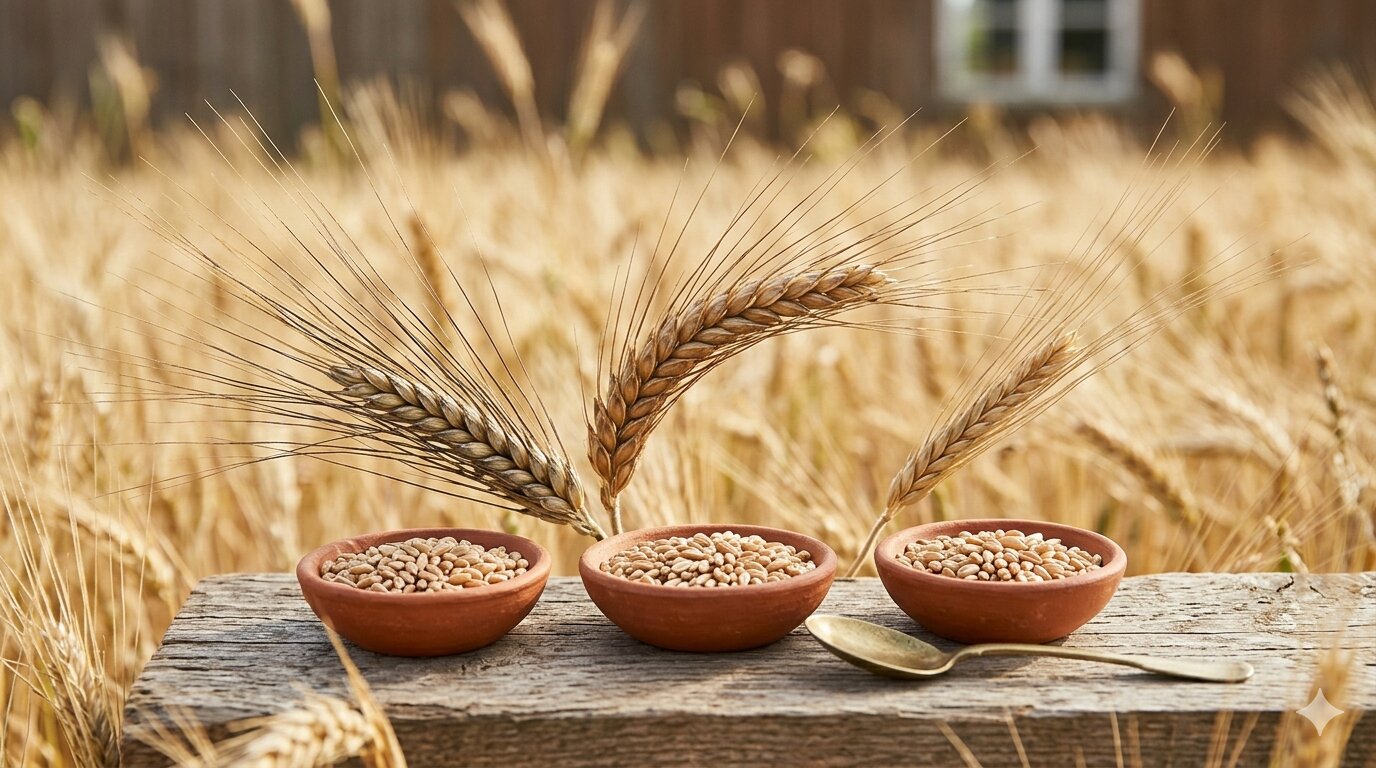
Spelt (Triticum spelta), the star of this particular variation, carries its own deep history. Originating in the Near East over 8,000 years ago, it eventually migrated to Europe, becoming a primary grain in regions like Germany and Switzerland during the Middle Ages. St. Hildegard von Bingen, a renowned 12th-century mystic and healer, famously praised spelt as the best grain for human consumption, noting its ability to produce “good blood” and a cheerful mind. By substituting rice with spelt, the dish merges the Ayurvedic wisdom of India with the ancient grain heritage of Europe.
Essential Ingredients
A comprehensive Spelt Khichdi requires a balance of grains, proteins, and aromatics. Each component serves a specific purpose in creating the final texture and taste.
Spelt Berries
Whole berries offer a chewy texture and maximum fiber, though they require longer soaking. Pearled spelt has the outer bran removed, allowing for a quicker cook time while retaining a significant amount of nutrients.
Moong Dal
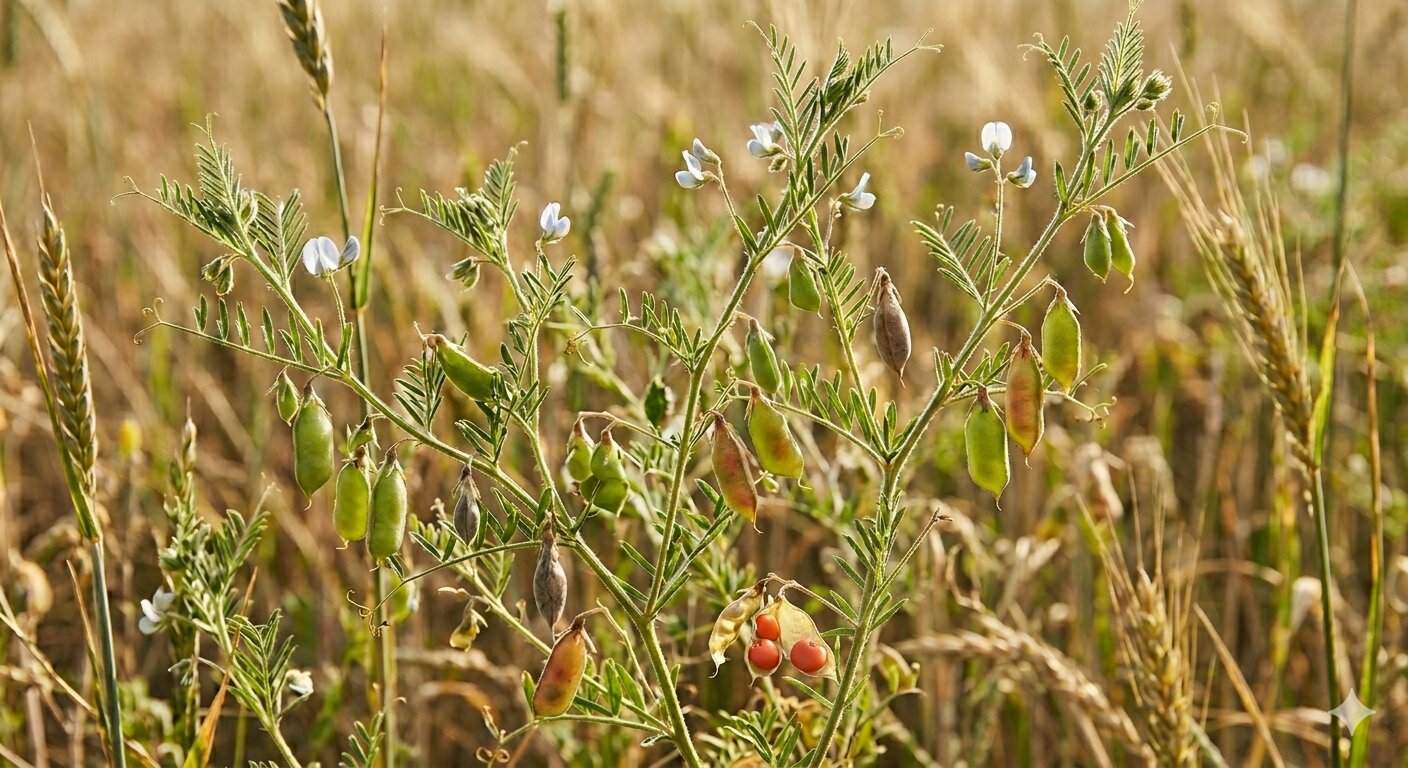
These are traditional for Khichdi because they are easy to digest and break down into a creamy consistency that binds the grain together. Or if not available red lentils as well.
The Tempering
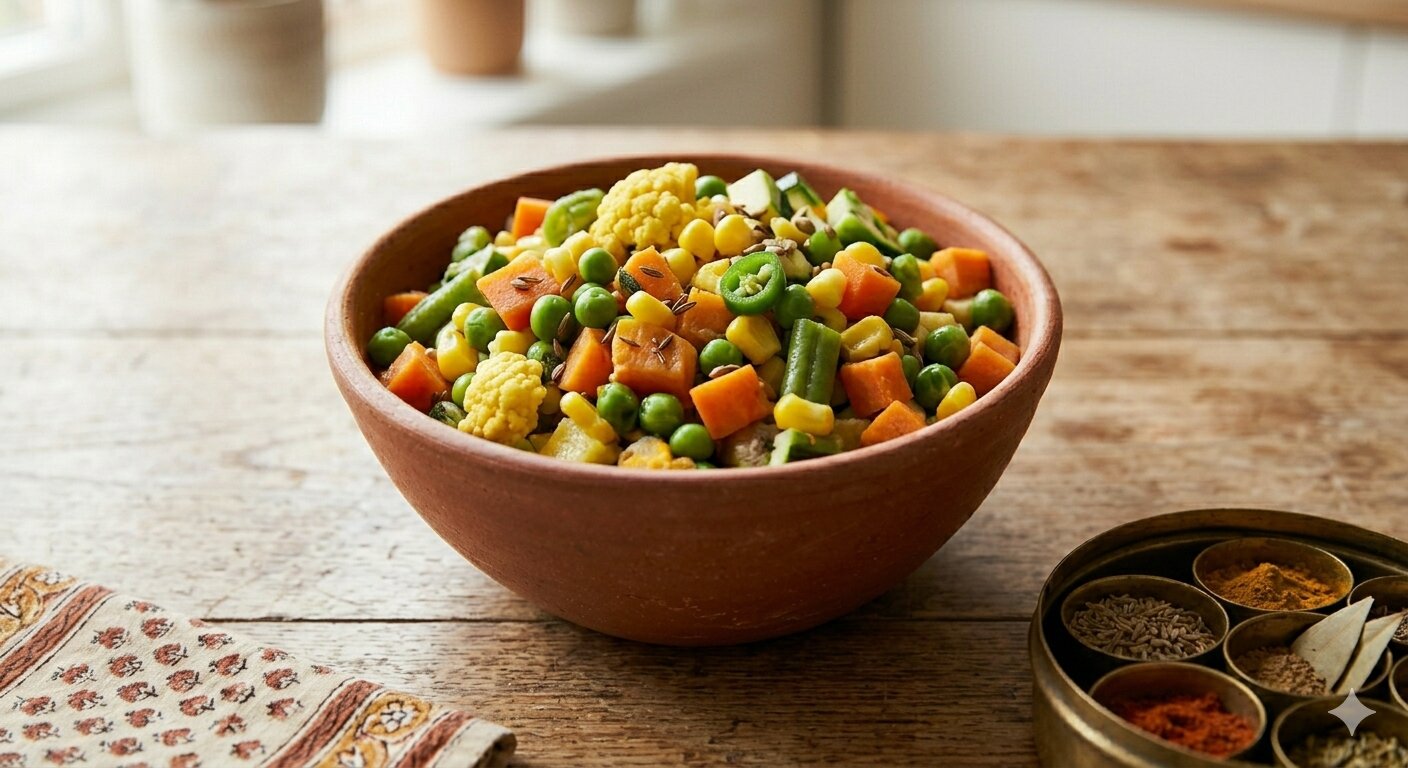
This involves frying spices in a fat source like Ghee or coconut oil. Common spices include cumin seeds, turmeric, ginger, and black pepper. Turmeric provides the characteristic golden hue and earthy notes, while ginger adds a subtle heat.
Vegetables
Carrots, peas, and cauliflower are frequently added to increase the bulk and provide varying textures.
Nutritional Profile
Spelt Khichdi is a powerhouse of balanced nutrition. Unlike refined white rice, spelt is a complex carbohydrate that releases energy slowly, preventing rapid spikes in blood sugar.
-
Complete Protein. The combination of spelt and moong dal creates a complete amino acid profile. This makes the dish an excellent plant-based protein source.
-
High Fiber Content. Spelt is significantly higher in fiber than traditional rice, which aids in digestive health and promotes long-lasting satiety.
-
Micronutrients. This dish is rich in manganese, magnesium, and phosphorus. It also provides a notable amount of Vitamin B2 and Niacin. The addition of turmeric introduces curcumin, which is frequently studied for its physiological properties.
Preparation Method
Following these steps ensures the spelt is perfectly cooked and the flavors are deeply integrated.
-
Soaking the Grains. Rinse one cup of spelt and half a cup of moong dal under cold water until the water runs clear. Soak the spelt for at least 4 hours (or overnight for whole berries) and the dal for 30 minutes. Drain before use.
-
Sautéing the Aromatics. Heat two tablespoons of ghee or oil in a heavy-bottomed pot or pressure cooker. Add a teaspoon of cumin seeds and wait for them to sizzle. Stir in finely chopped ginger and a pinch of asafoetida.
-
Adding Spices and Vegetables. Incorporate half a teaspoon of turmeric powder and any chopped vegetables. Sauté for three minutes until the vegetables are slightly softened.
-
Combining and Simmering. Add the soaked spelt and dal to the pot. Stir well to coat the grains in the spiced oil. Pour in four to five cups of water or vegetable broth. The high water-to-grain ratio is necessary to achieve the porridge-like consistency typical of Khichdi.
-
The Cooking Process. If using a standard pot, bring to a boil and then reduce to a low simmer. Cover and cook for approximately 45 to 60 minutes, checking occasionally. If using a pressure cooker, cook for about 15 minutes after it reaches pressure.
Final Adjustment
Once the grains are tender and the mixture has thickened, season with salt and a squeeze of fresh lemon juice. A final dollop of ghee or a sprinkle of fresh cilantro can be added before serving. The resulting dish is a warm, comforting bowl that honors centuries of culinary evolution while providing a dense concentration of modern nutritional benefits.